
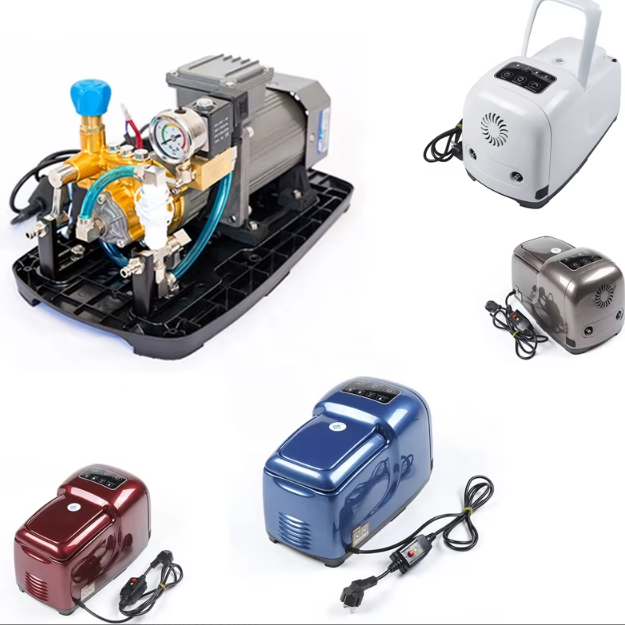
How High Pressure Misting Systems Target Mosquitoes Effectively
Misting systems under high pressure work against mosquitoes by using carefully designed droplets and taking advantage of how bugs behave. The tech releases insecticide in super tiny particles between 5 to 50 microns. These little droplets hang around in the air about three to five times longer compared to regular sprays, which means more chances for them to bump into flying adult mosquitoes. The size of these particles is pretty important too since they go right into the bugs' breathing systems but don't spread far into the environment where they could cause problems elsewhere.
Ultra-fine droplet science: Why 5—50 µm particles maximize airborne contact with adult mosquitoes
How well this works depends a lot on how the droplets behave. Particles smaller than 50 microns stay floating around for quite some time actually over 15 minutes when there's no wind at all. But once we get past 100 microns, they drop down pretty fast. What this means is that an invisible cloud forms throughout the vegetation where these pests tend to hang out. The sweet spot seems to be between 5 and 15 microns. These tiny droplets can slip into mosquito breathing holes but still pack enough punch with EPA approved chemicals like pyrethroids to do serious damage. Real world testing indicates that using these sized particles catches Aedes mosquitoes in the air about 92 percent more effectively than regular bigger sprays do.
Behavioral vulnerability: Exploiting dusk/dawn feeding patterns for timed high pressure misting system deployment
Mosquitoes exhibit predictable crepuscular activity peaks coinciding with human outdoor presence. Automated systems leverage this by programming misting cycles 30 minutes before dawn and dusk—when humidity exceeds 60% and temperatures range between 70—85°F. This timing ensures:
- Maximum mosquito flight activity during deployment
- Optimal droplet longevity due to reduced evaporation
- Minimal non-target impact during low human activity periods
This strategic alignment with mosquito chronobiology increases insecticide contact rates by 40% compared to randomized spraying, as documented in the Journal of Medical Entomology (2023).
Real-World Performance of High Pressure Misting Systems in Commercial Settings
Case evidence: 62% Aedes albopictus reduction at a Florida resort using an EPA-registered pyrethrin-based high pressure misting system
In 2023, a resort on Florida's coast saw their Asian tiger mosquito population drop by almost two thirds after installing an EPA approved pyrethrin misting system that runs at 1000 pounds per square inch. The system creates tiny droplets ranging from 5 to 50 microns in size which hang around in the air just long enough to catch those pesky mosquitoes buzzing around at sunset. We found that particles smaller than 30 microns stayed suspended about three times longer than bigger ones, which means more dead mosquitoes overall. They put the nozzles strategically around bushes near the edges of the property and throughout the dining areas where people gather most often. This setup helped protect guests without spraying too much near nearby streams and ponds. Maintenance folks checked the nozzles every week and replaced filters every other month to keep everything working right. What's interesting is that this big drop in mosquitoes lasted all through the six month testing period, and there was no sign that the bugs had developed resistance to the pesticide. So it looks like pyrethrin still works well when delivered properly through these misting systems.
Critical Design and Operational Factors for Reliable High Pressure Misting System Results
Nozzle placement, wind mapping, and zone segmentation for consistent outdoor commercial coverage
Getting the nozzles positioned right makes all the difference. Most professionals recommend mounting them somewhere between eight and ten feet off the ground, arranged so their spray patterns overlap. This creates that continuous barrier against pests we're after, but don't forget about those landscape obstacles either. Trees, shrubs, buildings they all affect how the insecticide spreads. Want to get serious about effectiveness? Do some wind mapping during different seasons with proper instruments like anemometers. When we place nozzles upwind from where the breeze typically comes from, we actually see around thirty to forty percent better droplet distribution. For bigger properties, breaking things down into distinct zones works wonders. Think about how people actually use different parts of the space dining areas versus pool decks for instance. Treating these zones separately lets us apply just what's needed where it matters most. The bonus? We avoid wasting product on unwanted spots while still hitting those busy areas with at least ninety five percent coverage thanks to careful pressure settings.
Automation strategies: Scheduled dusk/dawn cycles vs. real-time mosquito surveillance triggers
For any automation system to work properly against mosquitoes, it needs to match what we know about how they actually behave. Most systems are set to run about half an hour before sunrise and after sunset, giving off short bursts lasting around two to three minutes since that's when Aedes and Culex mosquitoes tend to be out looking for blood. Some newer setups use infrared sensors or CO2 traps instead, so they only spray when there are enough mosquitoes present according to certain thresholds. This approach cuts down on chemicals used by roughly half when infestations aren't so bad. The downside is that fixed schedules give consistent results but miss situations where something changes suddenly, like heavy rain washing away standing water which mosquitoes need to breed. Real time monitoring helps adjust for these kinds of surprises in the environment.
Strategic Integration with Broader Mosquito IPM for Commercial Properties
When incorporated into a full Integrated Pest Management (IPM) strategy, high pressure misting systems work best for controlling mosquitoes. The IPM method brings together several tactics including changing habitats, applying larvicide to places where mosquitoes breed such as storm drains, and introducing natural predators to stop mosquitoes at all stages of their life cycle. Research from the industry shows properties that mix misting systems with proper IPM techniques cut down on pesticides by somewhere between 30% and 70%, yet still keep things under control effectively. Take automated nozzles for instance they work hand in hand with specific larval treatments to prevent mosquito populations from bouncing back after treatment. What makes IPM so valuable is its focus on ongoing monitoring through mosquito traps that tell us exactly when action is needed. This means the misting system only kicks in when actual data supports the need for adulticide application. Landscape companies report these combined methods not only protect the environment better but also save money over time. Some commercial operations see annual savings above $18,000 per acre when they implement this comprehensive approach properly.
Table of Contents
- How High Pressure Misting Systems Target Mosquitoes Effectively
- Real-World Performance of High Pressure Misting Systems in Commercial Settings
- Critical Design and Operational Factors for Reliable High Pressure Misting System Results
- Strategic Integration with Broader Mosquito IPM for Commercial Properties