
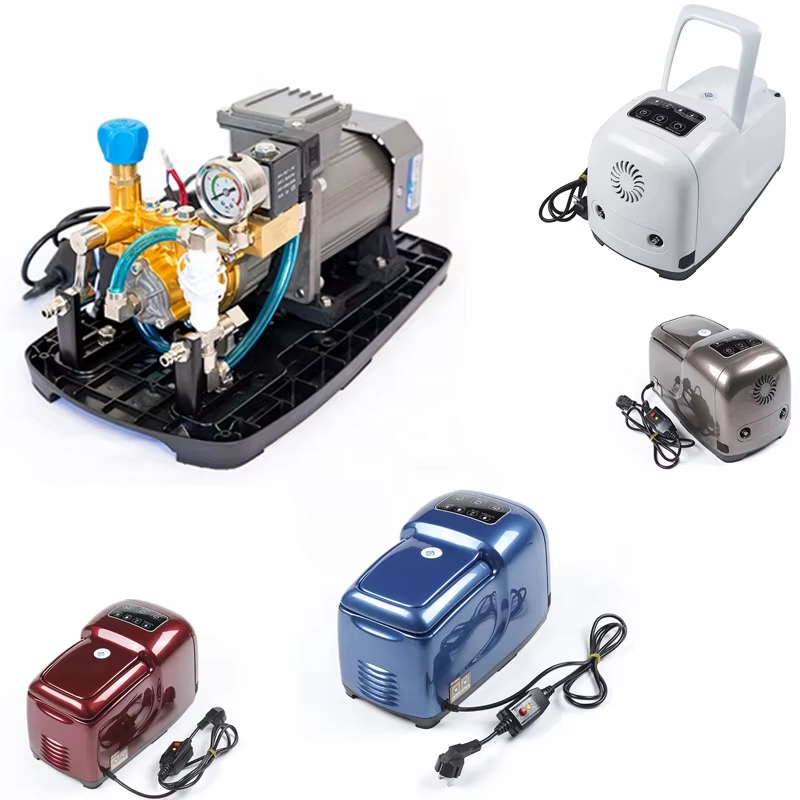
Why Regular Misting System Maintenance Matters
The Importance of Regular Maintenance for Misting System Efficiency
Regular maintenance keeps commercial misting systems running smoothly because it stops minerals from building up in those tiny nozzles and helps keep water pressure steady throughout the system. When a nozzle gets clogged, the whole cooling effect drops about 40% or so. And if the pumps aren't properly calibrated, they just end up wasting power and putting extra stress on parts that weren't meant to handle it. Industry studies show that misting systems which get their filters checked every month run into roughly 25% fewer problems than ones that get ignored completely. Makes sense really when you think about how much dirt and debris builds up over time.
Extending Component Lifespan Through Proactive Care
Regular maintenance really cuts down on wear and tear for those high pressure pumps, tubes, and fittings which typically eat up around 60% of all repair bills for misting systems. When we replace those seals before they start to break down or clean out the sediment buildup in filters, it stops bigger problems from happening later on. The difference in longevity is pretty significant too. A good quality pump that gets proper care will run reliably for between 8 to 12 years. Compare that to what happens when maintenance gets neglected - these same pumps often only make it 3 to 5 years before needing replacement. That kind of gap makes regular upkeep absolutely worth the effort for anyone serious about long term cost savings.
Consequences of Neglect: Reduced Cooling, Water Waste, and Higher Costs
Ignoring maintenance leads to three critical issues:
- Reduced Cooling Performance: Clogged nozzles produce uneven mist, diminishing evaporative cooling.
- Water Waste: Leaks in tubing or loose fittings can waste up to 15 gallons per hour, significantly increasing utility bills.
- Costly Repairs: Replacing a failed pump costs $800–$1,200—four times the average annual cost of preventive servicing.
Systems lacking quarterly inspections are three times more likely to require emergency repairs, based on HVAC maintenance surveys.
Essential Daily and Weekly Inspection Routines
Consistent inspection routines form the backbone of reliable misting system performance. By integrating simple checks into daily and weekly schedules, operators can prevent minor issues from escalating into costly repairs.
Monitoring System Pressure for Optimal Performance
Verify pump pressure daily using the system’s gauge, maintaining it within the manufacturer’s recommended range (typically 700–1,500 PSI). Low pressure reduces cooling effectiveness, while excessive pressure accelerates pump wear. Adjust settings seasonally, as warmer temperatures often require higher pressure for optimal mist dispersion.
Checking for Leaks and Securing Loose Connections
Check those hose connections every week to spot any drips or signs of moisture collecting around them. When something feels loose, grab an adjustable wrench and give it a good tighten. Don't forget about those cracked O-rings either they need replacing right away before things get worse. Pay special attention to areas close to pumps and nozzles since these spots tend to shake loose over time from constant vibration. Even small leaks matter big time think about this: just two gallons dripping away each hour adds up to more than 16 thousand gallons down the drain in one whole year if nobody catches it. That's not only wasteful but also expensive when looking at water bills month after month.
Inspecting Tubing and Fittings for Wear or Damage
It's important to look at polyethylene tubing every month for signs of getting brittle, developing kinks, or showing damage from UV exposure. Give those fittings a good turn now and then to see if they're stiff. When seals get too rigid, that usually means something is going to fail soon. Any part of the tubing that shows mineral buildup or changes color should be replaced right away since this points to corrosion happening inside. For folks living near the coast or in places where water is naturally hard, replacing tubes every three months makes sense to keep nozzles clear and working properly.
Monthly Cleaning and Component Maintenance
Inspecting and Cleaning Misting System Filters
Clean cartridge-style filters monthly by rinsing with low-pressure water and inspecting for tears or permanent clogging. Replacing pleated filters every 90 days maintains system efficiency and extends pump life by 18–22 months compared to neglected units, according to industry maintenance studies.
Water Treatment and Filtration to Prevent Clogging
Hard water causes 83% of nozzle blockages, per irrigation system analyses. Install inline water softeners or reverse osmosis systems where water hardness exceeds 50 ppm. For existing scale, flush lines with citric acid—it's safer than vinegar and less likely to degrade rubber components.
Cleaning and Descaling Nozzles Using Vinegar or Citric Acid
- Disconnect nozzles and soak in a 1:3 vinegar-water solution for 30 minutes
- Scrub interior surfaces with nylon brushes (never use metal)
- Rinse thoroughly before reinstalling
This method removes calcium deposits 34% faster than manual scraping alone, based on misting system maintenance trials.
Identifying and Replacing Worn or Clogged Nozzles
Replace nozzles showing irregular spray patterns, visible cracking, or persistent clogs after cleaning. In hard water areas, opt for brass nozzles—they resist mineral abrasion 2.7 times longer than plastic variants, according to hydraulic component testing.
High Pressure Pump Care and Longevity Tips
Inspecting Oil Levels and Motor Performance Monthly
Check oil viscosity monthly using the manufacturer-specified dipstick, keeping levels within 1/8" of the recommended mark. Pumps operating within optimal oil viscosity ranges reduce friction wear by 23% compared to neglected systems. Monitor motor temperatures during 30-minute peak load tests; sustained readings above 160°F may indicate bearing issues.
Preventing Cavitation and Thermal Overload Issues
Install dual pressure gauges on suction and discharge lines to detect flow restrictions below 15 PSI—the leading cause of cavitation. Thermal imaging shows reservoirs kept at 65–80% capacity reduce cavitation risk by 41% compared to half-filled units. Clean cooling fins quarterly with compressed air to maintain proper airflow.
Scheduling Pump Servicing to Extend Service Life
Replace drive belts every 1,200 operating hours or when tension falls below specifications. Systems following predictive maintenance schedules require 37% fewer emergency repairs than those maintained reactively. Schedule professional seal inspections before summer to prevent leaks during peak demand.
Annual Professional Maintenance and Seasonal Tune-Ups
Scheduling Professional System Audits Annually
Commercial misting systems need more than just regular cleaning and checking around the office. They really should get looked at once a year by someone who knows what they're doing. When techs come in, they check all sorts of things like those big pressure pumps, the manifold where all the nozzles connect, and the whole control system. Special tools help find tiny leaks nobody else would notice, make sure the pressure settings are right, and look for rust spots on electrical parts that could cause problems later. A recent report from last year showed something interesting too. Places that mixed these professional checks with their own daily maintenance saw their emergency repair bills drop by almost a third. That kind of savings makes all the extra work worthwhile for most business owners.
Conducting Seasonal Tune-Ups Before Peak Cooling Demand
Getting systems ready before the heat hits makes sense for reliable operation throughout summer. Techs typically run through several checks during pre-season maintenance including flushing out water lines, swapping old filters before those humidity levels start climbing, and making sure nozzles are properly aligned so everything sprays evenly across the area. Skipping these steps can lead to problems later on when it gets hot - things like pumps getting damaged from cavitation issues or parts of the system not cooling properly. For places where there's little rain but lots of sun, springtime maintenance becomes even more important because those UV rays intensify and water evaporates faster than usual, putting extra strain on irrigation equipment that needs to keep up with higher demand.
FAQ
Why is regular maintenance important for misting systems?
Regular maintenance is crucial for misting systems to prevent mineral buildup in nozzles, maintain steady water pressure, reduce power waste, and prolong the lifespan of components like pumps and tubes.
How often should misting system filters be checked?
Misting system filters should be checked monthly, and pleated filters should be replaced every 90 days to ensure efficiency and extend the system's lifespan.
What are the consequences of neglecting misting system maintenance?
Neglecting maintenance can lead to reduced cooling performance, increased water waste, higher utility bills, and costly repairs, including premature pump failure.
How can water hardness affect misting systems?
Hard water causes nozzle blockages, so installing inline water softeners or reverse osmosis systems can help prevent this issue. Regular descaling with citric acid is also recommended.
What are the benefits of professional system audits?
Professional system audits help identify and fix issues that might go unnoticed, ensure proper pressure settings, and reduce emergency repair costs significantly.