
How High Pressure Misting Systems Deliver Superior Cooling in Commercial Outdoor Settings
The Science of Evaporative Cooling: Why <10 Micron Droplets Maximize Heat Absorption
High pressure misting systems work through evaporative cooling, which is basically when water takes in heat from the surrounding air as it changes from liquid form to vapor. The really tiny droplets, those smaller than 10 microns, have this great surface area compared to their volume that lets them evaporate almost instantly. Because these small droplets change states so quickly, they pull way more heat out of the air than bigger droplets would. In perfect conditions, we're talking about temperature drops of around 30 degrees Fahrenheit according to some research from Ponemon back in 2023. What makes this system special though is that these microscopic droplets completely disappear into thin air before they ever touch anything on the ground. That means no slick floors in busy places like restaurants or lounges where people are constantly walking around.
Dry Climate Advantage: Delta-T Performance Comparison (High-Pressure vs. Low/Medium-Pressure Systems)
In arid environments (relative humidity <40%), high-pressure systems deliver a decisive cooling advantage. Independent field testing shows 1,000+ PSI systems achieve an average 30°F temperature delta—double the 15°F reduction delivered by sub-500 PSI alternatives. This gap stems from two interrelated efficiencies:
- Evaporation efficiency: >98% of mist evaporates before reaching ground level
- Water economy: Precision droplet control cuts consumption by 40% versus medium-pressure systems
The result is reliable, dry-feeling comfort during peak heat—enabling commercial venues to sustain outdoor operations without compromising safety or guest experience.
Commercial-Grade Durability: Built for Reliability in Harsh Outdoor Environments
Commercial outdoor spaces demand equipment engineered to withstand UV exposure, dust, salt spray, chemical cleaners, and thermal cycling. A high-pressure misting system meets this challenge through purpose-built materials, intelligent filtration, and ingress protection—all validated by real-world performance data.
Critical Components: Stainless Steel Tubing, Ruby Nozzles, and IP65+ Pumps — Real-World Failure Rate Insights
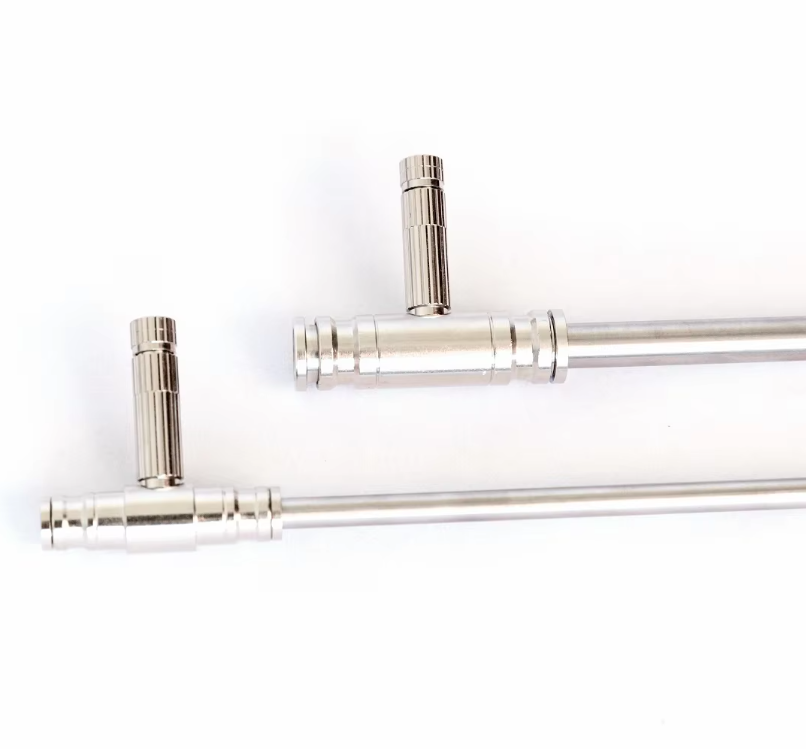
The stainless steel tubing we use stands up to pretty much anything nature throws at it. Coastal salt? Desert alkali? Regular cleaning chemicals? No problem. The synthetic ruby nozzles, which clock in at 9 on the Mohs scale, keep delivering those same sized droplets year after year, even when running nonstop. Our pumps carry an IP65+ rating, so they block out dust and moisture effectively. This means our systems stay reliable whether installed in damp coastal areas or harsh desert environments where equipment typically breaks down faster. Looking at field reports from over 120 commercial installations, the annual failure rate stays below 0.8%. Compare that to regular consumer grade products that fail around 12% of the time each year. The difference really adds up when considering how much money gets wasted on unexpected repairs and lost productivity.
Water Quality Resilience: Integrated 5–10 µm Filtration and Scale Prevention for Hard Water Regions
Hard water that goes untreated will really cut down on system performance over time. Sediment builds up and blocks nozzles, while those pesky calcium and magnesium minerals create scale deposits that wear out pumps and limit water flow throughout the system. Most modern systems now come with multi stage filters that catch particles as small as 5 microns. Some also include polyphosphate treatments which bind up those dissolved minerals before they can cause problems. For areas where water hardness levels are above 300 parts per million, combining these two methods stops about 94 percent of scaling issues from developing. This means components last anywhere from three to five years longer than they would otherwise, saving money on replacements and downtime across the board.
| Protection Feature | Problem Solved | Performance Impact |
|---|---|---|
| 5–10 µm Filtration | Sediment clogging | Reduces nozzle replacements by 80% |
| Scale Inhibition | Mineral deposits | Cuts pump failures by 67% |
| Stainless Steel | Salt/chemical corrosion | Lowers tubing leakage to <0.5% annually |
These features transform durability from a maintenance cost into a long-term operational asset—ensuring uninterrupted cooling across extreme climates and demanding usage cycles.
Smart System Sizing and Zoned Control for Patios, Pergolas, and Pool Perimeters
Coverage Engineering: Translating Layout Complexity (L-Shaped, Curved, Multi-Level) into Optimal Nozzle Density
Most commercial outdoor spaces don't follow neat rectangular shapes, which means good misting systems need smart engineering that matches their complexity. Take L-shaped patios for instance they often need about 30% more nozzles in those inside corners where heat tends to build up. Around curved pools, special radial nozzles help spread mist evenly across the entire curve rather than leaving patches dry. For places with multiple levels like those fancy terraced restaurants, engineers set up different pressure zones on each level. Each tier gets its own pump settings because gravity naturally reduces pressure as it moves upward. Many companies now use computer models called CFD to figure out exactly where to place nozzles. These simulations look at how air moves around the space, how much sun hits different areas, and overall heat distribution so the mist covers everything properly without soaking some spots while leaving others dry. Poorly designed systems can actually waste nearly half the water they use and leave customers uncomfortable in some parts of the venue but not others.
Zoned Operation: Independent Circuits for Dining, Lounge, and Bar Areas to Enhance Guest Experience and Energy ROI
When we divide misting circuits based on what they actually do rather than just where they are located, everyone gets more comfortable while saving energy too. Restaurants run their dining area misters at full blast only when customers are actually eating there. The lounges kick in automatically when someone walks into the space thanks to those motion detectors. And around bars? We've got these short bursts of mist instead of constant spraying so nothing gets damp near all those expensive electronic equipment. This kind of separate control cuts down how long pumps need to run overall by about two thirds compared to older systems that spray everything at once (those numbers come from the 2023 Commercial HVAC reports). People notice the difference too many places have seen guests stick around nearly 30% longer when they can adjust the mist strength themselves using tablets. Plus these modular setups make maintenance much easier nobody has to shut down the whole system for repairs anymore. That means fewer breakdowns between fixes and better returns on investment because of lower energy bills, faster service work, and happier patrons who aren't getting soaked or overheated.
Measurable ROI: Energy Savings, Extended Dwell Time, and Revenue Uplift from High Pressure Misting Systems
Phoenix Resort Case Study: 22% Increase in Patio Dwell Time and 14% Evening Beverage Sales Lift
High-pressure misting delivers quantifiable financial returns—not just thermal relief. A southwestern resort recorded a 22% increase in average patio dwell time during summer afternoons, directly correlating with a 14% lift in evening beverage sales. Broader industry data confirms consistent patterns:
- Energy use is 40% lower than traditional outdoor AC solutions
- Operable hours extend by 3–5 hours daily during peak heat
- Heatwave-related guest attrition drops significantly
Big installations often save over seven hundred forty thousand dollars a year on utilities and operations according to Ponemon's research from last year. The return goes way beyond just what shows up on the electric bill though. Longer usable seasons mean more customers sitting outside, better comfort keeps people coming back, and those awkward spots nobody wanted to use before warehouse loading areas or factory break rooms suddenly turn into valuable real estate. A manufacturing company we worked with saw their money back in just eighteen months thanks to all the extra work getting done during breaks. If maintained properly these systems typically last around eight years or more, which makes high pressure misting systems pretty smart investments for restaurants, shops, and other commercial buildings looking to make their spaces more comfortable and profitable at the same time.
Table of Contents
- How High Pressure Misting Systems Deliver Superior Cooling in Commercial Outdoor Settings
- Commercial-Grade Durability: Built for Reliability in Harsh Outdoor Environments
- Smart System Sizing and Zoned Control for Patios, Pergolas, and Pool Perimeters
- Measurable ROI: Energy Savings, Extended Dwell Time, and Revenue Uplift from High Pressure Misting Systems