
How Outdoor Cooling Systems Work: Core Technologies and Principles
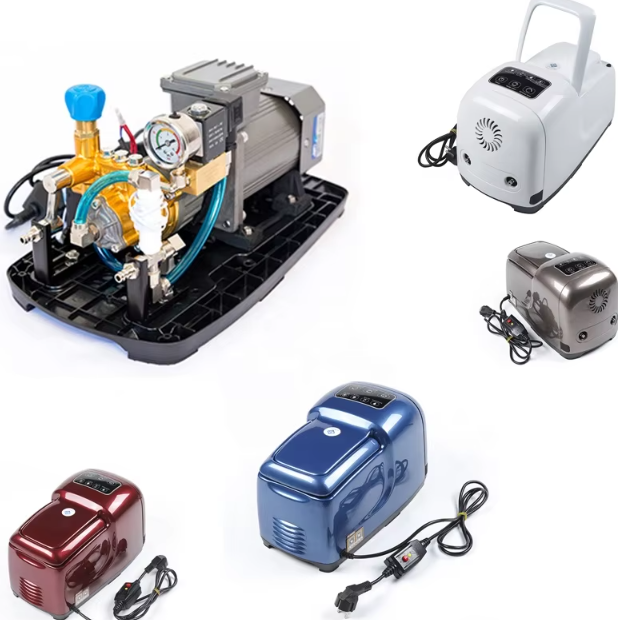
Outdoor cooling systems fight rising temperatures using evaporative cooling, which works when water takes in heat from the surrounding environment as it changes from liquid to vapor form. Take high pressure misting systems for example. These setups use special pumps that push water through stainless steel nozzles at pressures between 700 to 1,000 psi. The result? Tiny water droplets measuring just 5 to 15 microns in size get created. When these microscopic particles meet hot air, they disappear almost immediately, taking away heat energy in the process. This actually lowers ambient temperatures by around 8 to 12 degrees Celsius or about 15 to 30 degrees Fahrenheit without leaving anything wet behind on surfaces nearby.
Low pressure evaporative coolers work differently. They have these wet cooling pads and powerful fans that suck air through water soaked materials. The cooling happens when all that moisture turns into vapor on a big scale. Now here's something interesting about both types of cooling systems they depend heavily on how much moisture is already in the air. That's why places with dry weather get way better results because water evaporates so much faster there. Some newer hybrid models are really smart though. These systems combine adjustable speed fans with intelligent sensors plus clever misting patterns that change based on conditions. This helps save energy without sacrificing comfort levels whether it's for outdoor patios or those huge warehouse spaces and industrial areas where temperature control matters a lot.
Key components enabling this include:
- High-Pressure Pumps: Generate force for micro-droplet creation
- Anti-Clog Nozzles: Ensure consistent mist dispersion
- Filtration Systems: Prevent mineral buildup in water lines
- Climate Sensors: Adjust output based on real-time temperature/humidity
This physics-driven approach transforms unbearable spaces into usable environments, with industrial-grade systems achieving 30–50% energy savings compared to conventional air conditioning in semi-open areas.
Types of Outdoor Cooling Systems: Mist, Evaporative, and Hybrid Options
High-Pressure Mist Cooling Systems
High pressure mist systems work by breaking water down into tiny droplets about a micrometer in size. The pumps behind these systems run at pressures between 800 and 1200 psi to create this effect. When released, the droplets quickly evaporate, taking away heat from the surrounding air. This process can actually drop temperatures around 12 degrees Celsius or about 22 degrees Fahrenheit, even when there's some moisture in the air. Most systems use either brass or stainless steel nozzles to spray out a very fine mist similar to fog. What makes them special is how they cool things down without making anything wet. These systems are great for outdoor spaces like patios and also find applications in various industrial settings. They consume roughly 70 percent less water compared to regular sprinkler systems and provide fast cooling right where it's needed most.
Low-Pressure Evaporative Coolers
Evaporative coolers work by pulling hot air through pads made of materials like cellulose or aspen that are soaked with water. When this air moves through the wet material, the water turns into vapor which actually lowers the temperature of the air stream. We're usually looking at around 8 to 14 degrees Celsius drop, which translates to roughly 15 to 25 Fahrenheit lower temps. These systems really shine in areas where the air isn't too humid, specifically when humidity stays below about 60%. Another big plus is that they use about three quarters less electricity compared to traditional air conditioning units that rely on compressors. Because these cooling systems aren't complicated and don't require much installation, they fit well into different settings such as large storage facilities, outdoor spaces like sports stadiums, and even older buildings that need climate control added later on.
Smart Hybrid Systems with Variable-Speed Fans and Sensors
Hybrid cooling systems work by combining misting nozzles with evaporative pads that are all managed through smart controls. These systems rely on internet connected climate sensors that keep checking temperature and humidity levels constantly. When things get too damp, the system will focus just on misting. But if it's really dry outside, both methods kick in together. The fans also adjust their speed based on how hot things actually are. What this means for users is pretty impressive savings - around 40 percent less water used and about half the energy costs when compared to regular standalone units. And best part? People still stay comfortable without any drop in coverage area.
Real-World Applications: Restaurants, Patios, Warehouses, and Event Spaces
Cooling systems outdoors can completely change how commercial and industrial spaces function, turning them into comfortable places where people actually want to stay. Take restaurants and bars for instance. When they install those misting systems just right on patios, customers tend to stick around even when it's sweltering outside. Some businesses report their outdoor seating goes up about 35% during hot weather, which means folks spend more time there and typically leave bigger tips too. Warehouses and factories face different challenges though. High bay areas get super hot without proper ventilation. Evaporative coolers help keep things bearable, staying under what OSHA says is safe for workers. According to a study from Occupational Safety Review back in 2023, these cooling solutions cut down on lost productivity caused by heat stress somewhere around 27%. That makes a real difference in bottom line numbers over time.
Venues for events often mix different cooling approaches in specific areas like concert stages, outdoor wedding spaces, or festival walkways where controlling moisture levels keeps expensive gear from rusting out. More rooftop patios and business parks are going green with climate-smart designs these days. These setups include smart cooling tech that actually reacts to current weather conditions, cutting down on electricity use by around 40 percent when compared to old school air conditioning systems. The benefits stretch across many industries too. Businesses rely on such systems not just to keep making money but also to ensure staff stay comfortable and operations don't grind to a halt during those brutal summer heatwaves or freezing winter months.
Installation, Maintenance, and ROI of Outdoor Cooling Systems
Getting these systems installed right and keeping them maintained makes all the difference in how well they perform, how long they last, and whether businesses actually see their money back. When professionals handle the setup, they figure out where everything goes best, get those pressure settings just right, and make sure everything connects properly. This stops common headaches down the road like patches of lawn getting too wet while others stay dry, nozzles getting blocked over time, or water dripping everywhere after installation. The certified folks who do this work look at what's possible at each location. They check if there's enough structural strength to hold the equipment, whether the electricity can handle it, and if there's proper access to pipes and drains. Their job is to make sure everything meets both local regulations and what the manufacturer recommends for safe operation.
Professional Installation Best Practices
Certified installers follow strict protocols for mounting hardware, routing high-pressure lines, aligning nozzles, and programming control systems. Pressure testing all lines and verifying flow rates are standard steps. Larger commercial installations often require permits and third-party inspections–making DIY approaches impractical and potentially unsafe.
Seasonal Maintenance and Water Quality Management
Consistent maintenance prevents scale buildup, bacterial growth, and sensor drift. Recommended monthly tasks include:
- Flushing lines with diluted vinegar to dissolve calcium and magnesium deposits
- Replacing inline filters to preserve water purity and nozzle integrity
- Inspecting pump seals, fan motors, and sensor responsiveness before peak season
Water quality directly affects system efficiency–untreated hard water can reduce evaporative cooling effectiveness by 15–30% annually (HVAC Standards, 2023).
Calculating Payback Period and Long-Term Operational Savings
ROI hinges on quantifiable gains: extended outdoor operating hours, reduced HVAC dependency, lower energy bills, and improved staff retention. Restaurants report 19% higher patio revenue during summer months (National Restaurant Association, 2022). Mid-sized venues investing $4,500–$5,000 typically achieve payback in about 16 months, supported by ongoing savings from:
- 40% lower energy costs versus air conditioning
- Extended service windows and increased table turnover
- Fewer heat-stress incidents among staff
Well-maintained systems also use 22% less water than neglected units–further amplifying long-term value.
FAQ
What are the main types of outdoor cooling systems?
The main types of outdoor cooling systems include high-pressure mist cooling systems, low-pressure evaporative coolers, and smart hybrid systems with variable-speed fans and sensors.
How do high-pressure mist cooling systems work?
High-pressure mist systems work by breaking water into tiny droplets that evaporate to remove heat from the air, cooling the environment without making surfaces wet.
What considerations should be made for installing outdoor cooling systems?
Professional installation is key, ensuring proper positioning, pressure settings, and adherence to local regulations. It's also important to consider structural support and proper access to electrical resources.
How does maintenance of outdoor cooling systems affect performance?
Regular maintenance, such as flushing lines and replacing filters, prevents issues like scale buildup and ensures optimal operation, directly impacting the system's efficacy and longevity.