
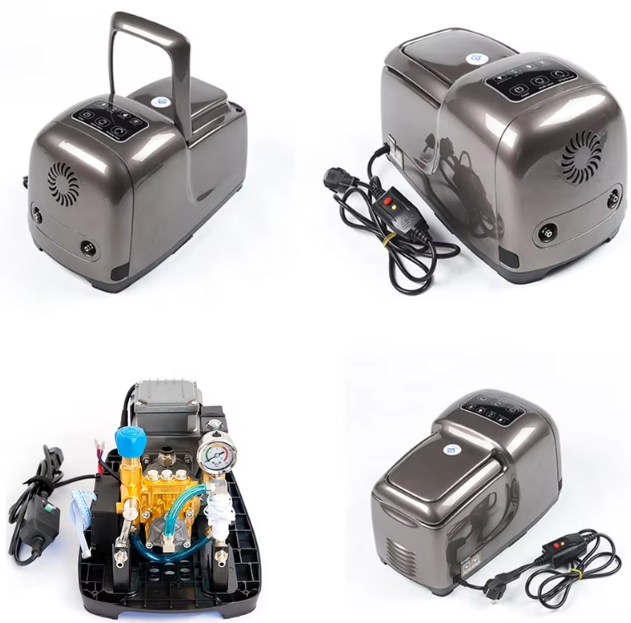
Why Commercial Spaces Need Specialized Mist Cooling Systems
The cooling needs in commercial spaces are way beyond what residential systems can handle. Think about busy places like restaurant outdoor seating areas or large event venues. These spots need serious misting systems built to run nonstop for long periods. Regular home misters just aren't cut out for this kind of workload. Most residential units break down after constant operation, often resulting in broken pumps, patchy mist coverage, and parts wearing out much faster than expected. According to recent industry findings from last year, commercial quality systems tend to last around three times longer when put through their paces in demanding environments. Why? Because they come with better stuff inside. We're talking about heavy duty connections that won't crack under pressure, nozzles designed to resist rust buildup, and powerful pumps capable of running over 1,000 hours each year without missing a beat.
The Failure of Residential Misting in High-Demand Commercial Environments
Most residential cooling systems just don't cut it when put into commercial settings because their pressure settings aren't right and the parts simply aren't built to last. These systems are made for maybe an hour or two of use each day at most, but hotels and restaurants need them running nonstop for 8 to 12 hours straight. The pumps tend to overheat and break down about five times quicker in these commercial situations according to HVAC research from last year. And those little nozzles with low pressure get completely blocked when we try to cover bigger spaces, which creates these weird spots where there's no cooling at all. We call them cooling deserts since the mist either disappears too fast or doesn't make it to where people actually are sitting. Specialized commercial equipment comes with all sorts of sensors and safety features that regular home systems miss entirely, especially when dealing with sudden increases in humidity that can soak surfaces instead of providing proper cooling.
How Flash Evaporation Efficiency Varies with Humidity and Dew Point
The effectiveness of flash evaporation, which is basically how most mist cooling works, relies heavily on the surrounding humidity levels and what's called the dew point. When the air has around 30% moisture content, those tiny water droplets turn into vapor almost immediately, which can drop temperatures anywhere from 25 to 30 degrees Fahrenheit. But things change when humidity climbs past 60%. That's when the evaporation process starts to slow down quite a bit, and according to some studies from ASHRAE in 2024, this cuts the cooling power nearly in half. As the temperature gets closer to the dew point, the air becomes so saturated that no real evaporation happens at all, making the whole mist system pretty much useless for cooling purposes.
| Humidity Level | Cooling Efficiency | Recommended Adaptation |
|---|---|---|
| < 40% | Optimal (25°F+ drop) | Standard nozzle pressure |
| 40%–60% | Moderate (15°F drop) | Boosted pressure + finer mist |
| > 60% | Low (<10°F drop) | Hybrid airflow-assisted systems |
Specialized commercial systems address this variability with variable-pressure pumps and climate-responsive nozzles that dynamically adjust droplet size to maximize evaporation across changing conditions.
Comparing Core Mist Cooling System Types for Commercial Use
Misting Fans: Ideal for High-Traffic, Open-Air Hospitality Zones
Misting fans combine high pressure nozzles with strong air movement to spray super fine water droplets across large areas. One big commercial model can cool around 900 square feet of space, which makes these units great for places like restaurant outdoor seating areas, poolside decks, and those big open events where people tend to wander around. The forced air helps spread the mist evenly even when there are lots of folks hanging out nearby, dropping the surrounding temperature somewhere between 15 to maybe 25 degrees Fahrenheit as the water evaporates quickly. These fans aren't stuck in one spot like regular systems. They actually move the cooling effect around to tackle hot spots wherever they appear, making guests feel better without needing any changes to buildings or structures. And let's talk about power usage too. Industrial misting fans generally eat up about 35 percent less electricity compared to traditional air conditioning units that rely on compressors, especially good news for businesses operating in partially enclosed spaces.
Perimeter and Hybrid Mist Cooling Systems for Semi-Enclosed or Structurally Complex Venues
Venues that have those tricky partial enclosures, think covered terraces or spaces with weird architectural shapes, benefit greatly from rigid perimeter lines for cooling right at the edges they need it most. Stainless steel tubes equipped with nozzles that resist rust can snake their way around structural elements like beams and columns, giving precise humidity control where temperatures swing more than seven degrees Fahrenheit between day and night. When we mix overhead lines with vertical pipes, we get this multi-level cooling system that actually works in complicated spaces such as stadium concourses. What makes these systems stand out is how they cut down on maintenance stops thanks to clever filtration. Those 5-micron sediment filters inside stop nozzles from getting clogged in areas with really hard water (over 200 parts per million minerals). This simple addition means components last anywhere from two to three extra years compared to standard installations, which saves money in the long run for facility managers.
Critical Non-Pressure Selection Criteria for Commercial Mist Cooling Systems
Water Quality, Filtration Requirements, and Long-Term Maintenance Impact
Water quality directly dictates system performance and longevity. Hard water with high Total Dissolved Solids (TDS) accelerates mineral buildup in nozzles and pumps, reducing cooling efficiency by up to 30% and increasing operational costs by 40% over five years if left unaddressed (Industry Report 2023). Proactive water management is essential—not optional.
Three critical considerations guide effective implementation:
- Filtration tier selection: Multi-stage systems (sediment + carbon filters) prevent 90% of clogging versus basic screen filters
- Water treatment: Reverse osmosis or water softeners are recommended in high-TDS regions to combat scaling
- Maintenance protocols: Quarterly nozzle inspections and scheduled pump servicing help avoid costly downtime during peak seasons
Neglecting these factors risks premature failure—transforming a strategic cooling investment into a recurring operational burden. Consistent water quality management protects your system’s performance, reliability, and long-term ROI.
FAQ
Why can't residential misting systems handle commercial environments?
Residential systems are designed for limited use, typically a few hours each day, whereas commercial spaces often require nonstop operation for extended periods. As a result, residential systems are prone to overheating and component wear, leading to frequent breakdowns.
What is flash evaporation, and how does it affect mist cooling?
Flash evaporation is the process by which water droplets quickly turn into vapor, aiding cooling. Its efficiency is greatly impacted by humidity levels and the dew point. Lower humidity and dew point levels enhance flash evaporation, whereas high humidity can significantly reduce its effectiveness.
What are some critical considerations for maintaining commercial misting systems?
Key factors to consider include ensuring good water quality, using multi-stage filtration to prevent nozzle clogging, implementing regular maintenance protocols, and addressing high Total Dissolved Solids (TDS) in the water to prevent scaling and inefficiencies.