
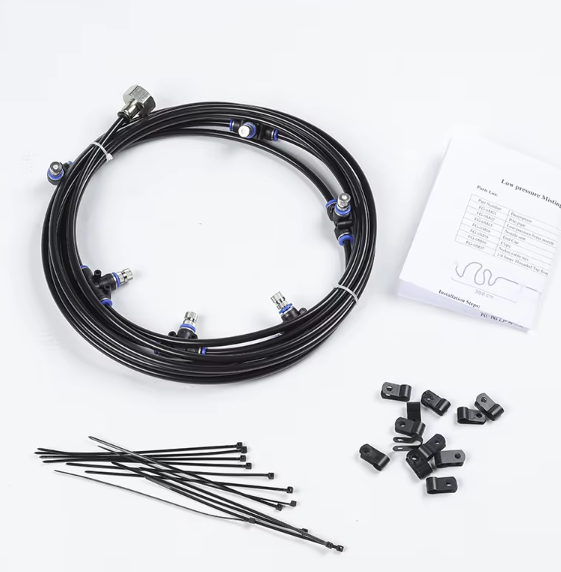
Understanding Core Components of a Commercial Patio Misting System
Matching Misting System Pressure (Low, Mid, High) to Cooling Needs and Comfort Levels
Low-pressure systems (30â60 PSI) suit small patios but leave surfaces damp, while mid-pressure models (100â250 PSI) balance cooling and water efficiency. High-pressure systems (1,000+ PSI), used in 78% of commercial settings (2023 HVAC Industry Report), create ultra-fine mist that evaporates instantlyâideal for maintaining guest comfort without soaking furniture or table settings.
Materials and Durability of Patio Misting Systems in Outdoor Restaurant Environments
Outdoor restaurants need components that withstand UV exposure, temperature swings, and frequent cleaning. Stainless steel tubing lasts up to four times longer than PVC in humid climates, according to a 2024 Commercial Misting Systems Study. Powder-coated aluminum mounting brackets prevent rust, and ceramic-filter nozzles resist calcification even with hard water.
Water and Energy Efficiency of Patio Misting Systems in Commercial Settings
Modern systems use 600-800 milliliters of water per minute, which is comparable to standard sprinklers but can provide three times the cooling coverage. Compared to fixed pressure models, the energy consumption of variable speed pumps has been reduced by 40% (Energy Star 2023). In drought prone areas, circulating water systems can reduce usage by 70% while maintaining performance.
Evaluating Cooling Performance Based on Climate and Environment
Effectiveness of Patio Misting Systems Under Varying Climate Conditions
Patio misters can drop temperatures anywhere from 10 to 25 degrees Fahrenheit in dry areas, though they only manage about 5 to 12 degrees cooler in places where it's already damp according to Building and Environment research from 2022. The system works best when there's not much moisture in the air, so folks living near coasts often find them less effective once humidity goes above 60%. For those hotspots across the American Southwest where summer temps regularly hit triple digits, many homeowners swear by high pressure misting setups. These systems keep patios comfortably around 78 to 82 degrees even on days when outside temps are pushing past 100, which explains why over 9 out of 10 customers report being satisfied with their purchase.
Impact of Humidity and Temperature on Misting Efficiency
When the air gets dry (below 50% humidity), water evaporates about 30% quicker from misting systems, which can drop heat stress index numbers by around 17 points. But things get tricky in really humid places, think Florida summer days where the air feels thick and sticky. Studies indicate that even though restaurants use the same amount of water, misters only bring down the felt temperature by about 4 degrees Fahrenheit there. For restaurant owners looking to cool outdoor seating areas, keeping an eye on local dew point readings makes sense. The system works best when the desired temperature stays at least 3 degrees warmer than what the dew point meter shows. This small difference matters a lot for comfort levels during those sweltering afternoon hours.
Designing an Effective Misting Layout for Your Patio Size and Configuration
Patio Size and Layout Considerations for Optimal Mist Coverage
Getting the cooling right on commercial patios takes careful thought between keeping things comfortable and making sure the system works efficiently. Take a typical 400 square foot dining space for instance. Most experts suggest putting in around 16 to maybe even 20 nozzles, placing them roughly every couple feet or so around the edges. This advice comes straight from the latest industry guidelines published earlier this year. When dealing with odd shaped spaces though, it helps to divide the area into different zones. Running separate lines for the bar section versus the main dining area makes all the difference. This approach means customers get proper coverage where they need it most without ending up with spots that are just too cold.
Choosing the Right Number and Placement of Misting Nozzles Based on Dimensions
High-pressure systems (1,000+ PSI) achieve 95% evaporation when nozzles are mounted 8â10 feet above ground. For L-shaped patios, dual pump setups maintain consistent pressure across extended runs. One hospitality group reduced water use by 22% in 2023 by using directional nozzles adjusted via real-time occupancy sensors.
Installation Best Practices: Mounting Height and Nozzle Spacing for Even Dispersion
| Factor | Ideal Specification | Performance Impact |
|---|---|---|
| Nozzle Height | 8'-10' | Maximizes evaporation before mist descends |
| Nozzle Spacing | 24"-36" | Prevents dry zones between mist curtains |
| Line Pressure | 800-1,200 PSI | Ensures droplet size <20 microns for cooling |
Adjust these indicators by ± 15% in coastal environments with humidity exceeding 60%.
Ensuring Long-Term Reliability Through Maintenance and Water Quality
Water Quality and Nozzle Maintenance to Prevent Clogging in Patio Misting Systems
Hard water is responsible for about 80-85% of those annoying clogged nozzles we see in outdoor irrigation systems according to Plumbing Standards Institute research from last year. For prevention, getting good quality inline filters that catch particles down to 5 microns really helps. Don't forget to check those nozzles every other week too. And if you live somewhere with tough water conditions, consider doing a vinegar flush once per quarter. Mix up some diluted white vinegar and run it through the system to break down those stubborn calcium deposits. This simple step can actually extend pump life quite a bit, especially in areas like Arizona where mineral buildup happens fast. We've seen installations last significantly longer when this maintenance routine gets followed regularly.
Ease of Maintenance and Service Plans for Commercial-Grade Misting Systems
When shopping for equipment, look for models that come with colored tubes and nozzles that snap on without tools these little features can save hours during repairs. Systems built with modular parts and pre-made cartridges cut down maintenance time by roughly thirty percent, which adds up over months of operation. Restaurant owners should consider working with vendors who offer twice-yearly checkups covering things like pressure tests, how well materials hold up under sunlight, and whether water flows at proper rates. The latest industry numbers show something interesting too: places that stick to regular maintenance schedules report almost two thirds fewer problems right when business is busiest.
Tap Water vs. Filtered Water: Resolving the Debate for High-Pressure Misting Systems
Most city water supplies run around 150 to 300 parts per million hardness, which really speeds up mineral deposits forming inside equipment that runs over 800 pounds per square inch. The Water Treatment Association did some research showing that switching to filtered water cuts down how often nozzles need replacing by nearly 60% in those high pressure setups. For folks working in dry climates, mixing about 30% filtered water with regular treated tap water works pretty well for balancing expenses against system performance. And there's something else worth mentioning too: conductivity sensors come in handy because they automatically signal when it's time to change filters once the dissolved solids hit that 400 microsiemens threshold. This kind of automation saves both money and headaches in the long run.
Balancing Cost, Efficiency, and ROI in Selecting a Patio Misting System
Cost Considerations: Budget vs. Premium Patio Misting Systems for Restaurants
Patio misting systems meant for commercial use can start around $1,500 for the basics and go all the way up past $8,000 for those fancy high pressure models according to Cool-Off's 2023 report. The cheaper options run about 250 PSI and handle spaces between 200 to 300 square feet. But if someone wants something serious, the top end systems hit 1,500 PSI and chill areas from 800 to 1,000 square feet while using roughly 30 percent less water. Restaurants have found that these systems pay for themselves pretty quickly too. Most places see their money back in about 14 to 18 months once they can keep customers outside longer during hot weather.
| Feature | Budget System | Premium System |
|---|---|---|
| Coverage Area | 200-300 sq.ft. | 800-1,000 sq.ft. |
| Operating Pressure | 250 PSI | 1,500 PSI |
| Average Lifespan | 3-5 years | 8-12 years |
| Water Use/Hour | 4.5 gallons | 3.1 gallons |
Brand Reputation and Climate-Specific Expertise in Commercial Misting Solutions
Manufacturers with desert climate experience design nozzles that sustain 15-micron droplet sizes in low humidity, while coastal specialists prevent over-saturation in moist environments. Third-party testing shows top-tier brands achieve 92% operational reliability during peak summer, compared to 68% for generic systems.
Return on Investment: Benefits of Installing a Patio Misting System for Restaurants
A 2023 National Restaurant Association study found misting systems increase outdoor seating revenue by 22% during heatwaves and reduce table turnover time by 18 minutes. The climate control efficiency of modern systems enables 40% energy savings versus outdoor AC units, with water costs averaging $0.23 per dining hour in arid regions.
Table of Contents
- Understanding Core Components of a Commercial Patio Misting System
- Evaluating Cooling Performance Based on Climate and Environment
- Designing an Effective Misting Layout for Your Patio Size and Configuration
- Ensuring Long-Term Reliability Through Maintenance and Water Quality
- Balancing Cost, Efficiency, and ROI in Selecting a Patio Misting System