
How Outdoor Cooling Systems Work: The Science of Evaporative Mist Technology
Principles of Evaporative Cooling in Open Air Environments
Evaporative cooling works great for outdoor systems since it's basically nature doing what it does best. Water grabs heat from the air as it turns into vapor, which cools things down nicely. The system really shines in places that aren't too damp, where there's enough dryness in the air to let water evaporate quickly without making everything soggy. Those super tiny mist droplets, usually smaller than 20 microns, disappear almost instantly after being sprayed out, taking the warmth right along with them. Most folks find these systems work their magic best when the air isn't too wet either, somewhere around 40 to 80 percent humidity gives just the right balance between cooling power and not feeling too damp on skin according to Family Handyman's latest report from 2023.
Role of Fine Water Mist in Achieving 3–8°C Temperature Reduction
Getting good outdoor cooling really depends on creating those tiny droplets that spread out over a bigger surface area so they can evaporate quickly. Most systems use high pressure pumps, around 700 psi or more, to create mist particles between 10 to 50 microns in size. These little droplets grab onto heat fast and typically bring down temperatures by about 3 to 8 degrees Celsius. Of course, actual performance will depend on things like how much wind there is and whether the sun is beating down hard. But even with all these variables, misting systems still work pretty well for cooling patios, sidewalks, and lots of commercial spaces where people gather.
Impact of Droplet Size, Surface Area, and Evaporation Rate on Cooling Efficiency
Cooling efficiency depends on three interrelated factors:
- Droplet size: Smaller droplets (<20 microns) evaporate almost instantly, minimizing wetness and maximizing thermal transfer.
- Surface area: Finer mists expose more water molecules to air, increasing evaporation rates by up to 300% compared to coarse sprays.
- Evaporation rate: Peak performance occurs at 40–60% humidity. In high-humidity environments (>80%), hybrid approaches—such as combining mist with airflow or shade—help maintain effectiveness.
Key Components and Design of High-Efficiency Mist Spraying Systems
Core elements: high-pressure pumps, nozzles, piping, and filtration
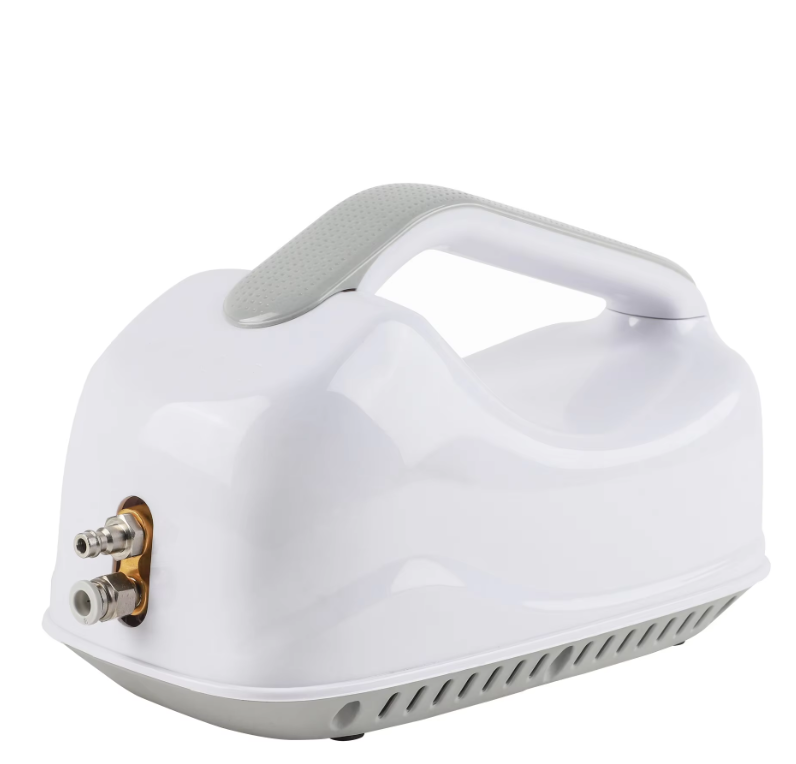
Most effective misting systems actually rely on just four main parts working together. The heart of the system is usually a high pressure pump somewhere between 800 and 1000 PSI that forces clean water through stainless steel pipes. At the end of these pipes are those special nozzles crafted from either brass or ceramic material. What makes them work so well? Tiny holes at the micron level create those perfect 10 to 50 micron water droplets we all need for proper cooling. Good systems also include some kind of filter setup to catch anything bigger than 5 microns before it gets stuck somewhere important. We've seen firsthand how systems equipped with 0.2mm nozzles paired with pumps pushing over 900 PSI can chill spaces three times quicker compared to the old low pressure models most people still use.
Nozzle technology and optimization for maximum thermal performance
Nozzle design critically influences cooling output. Advanced models enhance efficiency through precise engineering:
| Characteristic | High-Efficiency Spec | Standard Spec | Performance Advantage |
|---|---|---|---|
| Aperture Diameter | 0.1-0.3mm | 0.4-0.6mm | 68% faster evaporation |
| Operating Pressure | 800-1000 PSI | 40-80 PSI | 50x more droplets/cm³ |
| Droplet Size | 10-20 microns | 100-200 microns | 5-7°C greater cooling |
Features like spiral turbulence chambers and anti-drip valves reduce water waste by 18% while maintaining pressure stability between cycles.
Integration with smart controls, sensors, and automated timers
Modern smart misting systems rely on environmental sensors paired with clever algorithms that figure out when and how much to operate. When hygrometers detect humidity levels above 65%, they simply shut off the misting to prevent wasting water on already damp air. During bright sunny days, solar sensors kick things into higher gear, pumping out more mist where needed most. Wind speed readings come into play too, tweaking the flow rate so it doesn't blow away before doing any good. These systems also feature smart controllers that let managers schedule misting based on actual building usage patterns rather than rigid timer settings. According to a study from last year's IoT Cooling Conference, buildings using these intelligent systems typically save around 30% in energy costs compared to older fixed timer models. That kind of efficiency makes all the difference in hot climates where cooling demands can spike unexpectedly.
Real-World Performance: Where and How Spray Cooling Systems Deliver Results
Case studies: Public plazas, walkways, and commercial outdoor areas
Testing out there in real world conditions has shown that misting systems can reliably bring down temperatures somewhere between 3 to 8 degrees Celsius when used outside. Researchers looked at fourteen different spots across Europe last year and saw that walkways which had both shade and misters managed to cut the temperature by about 5.7 degrees on average according to their findings published in Building and Environment back in 2022. Places like restaurant outdoor seating areas and stadium corridors are reporting similar results too, with temps dropping around 4 to 6 degrees during those really hot parts of the day. The nice thing is people stay comfortable without getting wet from standing water collecting anywhere.
Temperature reduction under varying conditions: humidity, wind, and sun exposure
Environmental variables significantly influence cooling outcomes:
| Condition | Optimal Range | Impact on Cooling |
|---|---|---|
| Humidity | <70% RH | 40% higher efficiency vs. >80% RH |
| Wind speed | 1–2 m/s | Extends cooling range by 8–12m |
| Solar radiation | Direct sunlight | Requires 25% higher mist density |
Best results occur in dry, lightly breezy conditions—Phoenix park trials demonstrated sustained 7.2°C cooling for over three hours post-activation.
Limitations in high-humidity climates and strategies to mitigate inefficiency
When humidity exceeds 80%, evaporative cooling capacity declines by 60–75%. To counteract this, operators use:
- Intermittent 10-minute operation cycles
- Hybrid setups with 12–15 mph directed fans
- Shade sails, which improve perceived cooling by 2.3°C regardless of humidity
Deployments across the southern U.S. maintain 3–4°C reductions even on 90% RH summer days using these integrated methods.
Energy Efficiency and Environmental Benefits Compared to Mechanical Cooling
Misting systems offer substantial energy and sustainability advantages over mechanical cooling. Cooling 1,000 sq ft requires just 0.5–1.5 kW—92% less than traditional AC units consuming 3–5 kW for equivalent coverage (Ponemon 2023). Even high-velocity fans, often considered efficient, use 0.8–2 kW while delivering only 1–2°C of cooling.
Energy Consumption Analysis: Misting vs. Air Conditioning and Fans
Performance comparison highlights misting’s thermal efficiency:
| System Type | Energy Use (kW/1,000 sq ft) | Temp Reduction (°C) | Water Consumption (L/hr) |
|---|---|---|---|
| Misting | 0.5–1.5 | 3–8 | 4–6 |
| Air Conditioning | 3–5 | 8–12 | 0 |
| High-Velocity Fan | 0.8–2 | 1–2 | 0 |
Recent analysis confirms misting systems achieve COP (Coefficient of Performance) ratings 3–4× higher than compressor-based cooling in open-air environments.
Sustainability Advantages of Low-Power Outdoor Cooling Systems
Unlike refrigerant-based AC units—which contribute 7–10% of global greenhouse gas emissions—misting systems produce zero direct emissions. Modern designs enhance eco-efficiency through:
- Closed-loop filtration (90% water reuse)
- Humidity-responsive nozzles (40% flow reduction in moist air)
- Solar-powered pumps (eliminating grid reliance)
A 2023 manufacturer case study showed these features reduced annual water use by 28,000 liters and cut CO₂ emissions by 4.2 metric tons per installation versus mechanical alternatives.
Innovations Enhancing the Future of Outdoor Spray Cooling Technology
Advancements in pump efficiency and water purification for longer system life
Variable-speed pumps now reduce energy consumption by 18–34% while maintaining optimal pressure. Multi-stage filtration with automatic backflushing prevents mineral buildup, extending nozzle lifespan by 200%. These improvements address historical issues of maintenance and inconsistency, achieving 93% water recovery in closed-loop systems.
Hybrid solutions: combining misting with shading, ventilation, or solar power
Next-generation systems integrate complementary technologies for enhanced performance:
- Solar-powered misters eliminate daytime grid dependence in sunbelt regions
- Retractable shade fabrics reduce solar gain by 55–70%, amplifying evaporative cooling
- Placement near natural airflow paths reduces localized humidity by 19% (Applied Thermal Engineering, 2020)
Such hybrids deliver 4–6°C cooling in desert climates—double the improvement of standalone misting.
IoT and smart scheduling for adaptive, data-driven cooling control
Smart systems now make misting smarter thanks to machine learning that works with live data from weather services, occupancy detectors, and thermal cameras. Recent tests back this up showing around 40% less water used because the system turns on before temperatures spike or crowds gather. With edge computing technology, different areas get treated differently. The patio misters come on only when someone walks by, but the main walkways stay at a comfortable level of moisture all day long. Getting rid of unnecessary cooling is what makes these systems better than old timers that just run on schedules regardless of actual conditions.
Table of Contents
- How Outdoor Cooling Systems Work: The Science of Evaporative Mist Technology
- Key Components and Design of High-Efficiency Mist Spraying Systems
- Real-World Performance: Where and How Spray Cooling Systems Deliver Results
- Energy Efficiency and Environmental Benefits Compared to Mechanical Cooling
- Innovations Enhancing the Future of Outdoor Spray Cooling Technology